-
PRODUCTS & SERVICESOptimized cooling solutions for modern data centersProducts & ServicesOptimized cooling solutions for modern data centers
-
CAPABILITIESAdvancing liquid cooling technologiesCapabilitiesAdvancing liquid cooling technologies
-
TechnologiesLiquid Cooling InnovationTechnologiesLiquid Cooling Innovation
-
RESOURCESLatest News & InformationResourcesLatest News & Information
-
ABOUTOur history, leadership and ownershipAboutOur history, leadership and ownership
-
CONTACTFacility locations and global operational footprint







Why Choose a 7.5KW Belt Driven Screw Air Compressor?
Choosing a 7.5KW Belt-Driven Screw Air Compressor starts with a practical question: how much usable air does your operation need? The motor rating alone cannot answer that. Check the supplier’s free-air delivery at your required working pressure, then compare it with the tools or production equipment running at the same time. A spray line, packaging machine, and pneumatic wrench can create very different demand patterns.
Belt drive can make routine inspection straightforward, but the belts still need correct tension and periodic checks. A loose belt may slip; excessive tension can add strain to components. Small details matter. Also review the installation space, ventilation, noise level, and access needed for servicing. Ask what filtration, cooling, and control features are included, rather than assuming every package is identical. Verify the manufacturer’s technical data and service guidance before choosing.
This compressor may suit a workshop or small production area with steady compressed-air needs, provided its rated output matches the actual load. It is not automatically the right choice for every site. Intermittent demand, future expansion, and local service availability can change the decision. There is a trade-off here: a lower purchase price means little if the machine cannot maintain pressure during busy periods. Comparing operating requirements carefully gives buyers a clearer basis for selecting a dependable system.
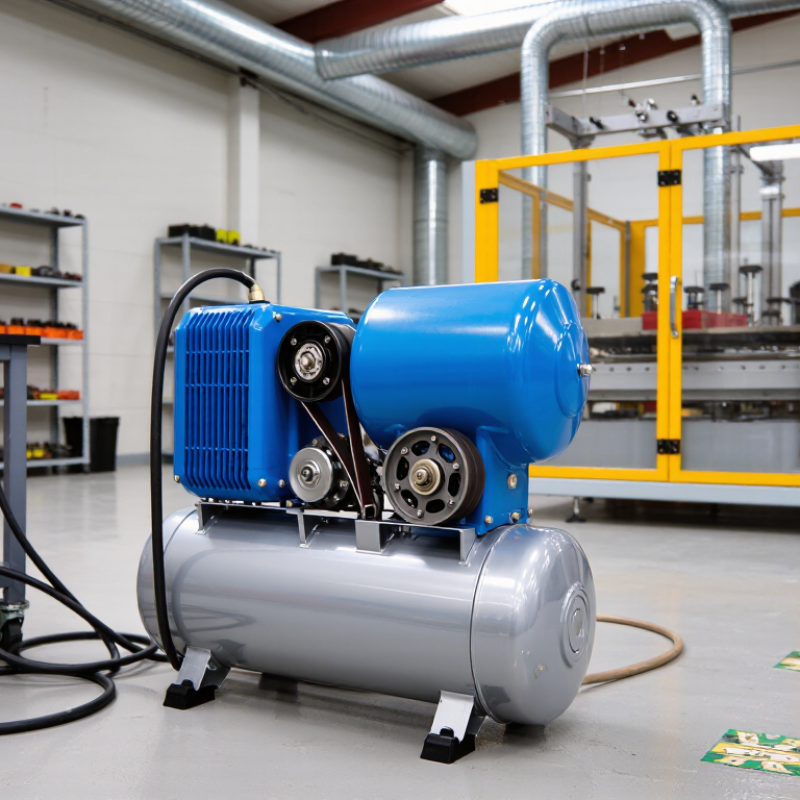
Table of Contents [Hide]
What Is a 7.5 kW Belt-Driven Screw Air Compressor?
A 7.5 kW belt-driven screw air compressor uses a 7.5-kilowatt electric motor to power a rotary screw air end. A belt and pulleys transfer the motor’s rotation to the screw assembly. Inside, two meshing rotors draw in air, compress it, and deliver it to the outlet. That distinction matters. The 7.5 kW figure describes motor input power, not the volume of air the machine can supply. Actual airflow depends on operating pressure, design, and package efficiency.
The belt drive can make routine service straightforward: technicians can inspect belt wear and tension without opening the screw air end. Still, belts need correct alignment and periodic checks, and replacement intervals vary by use. Before choosing a unit, compare its rated airflow at your required pressure with the demand of your tools or production line. A compressor that looks adequate on a nameplate may struggle during simultaneous use. Check also the receiver size, cooling needs, and available electrical supply. It is not automatically the right choice. For steady workshop demand, it may be practical; for fluctuating loads, the controls and duty cycle deserve closer review.