-
PRODUCTS & SERVICESOptimized cooling solutions for modern data centersProducts & ServicesOptimized cooling solutions for modern data centers
-
CAPABILITIESAdvancing liquid cooling technologiesCapabilitiesAdvancing liquid cooling technologies
-
TechnologiesLiquid Cooling InnovationTechnologiesLiquid Cooling Innovation
-
RESOURCESLatest News & InformationResourcesLatest News & Information
-
ABOUTOur history, leadership and ownershipAboutOur history, leadership and ownership
-
CONTACTFacility locations and global operational footprint






Why Choose a Lightning Alert Device for Global Safety?
Lightning can strike with little warning, turning a clear afternoon into a serious safety concern. For families, schools, outdoor workers, and event organizers, a Lightning Alert Device offers an additional layer of awareness. It can monitor nearby electrical activity and provide audible, visual, or connected warnings before conditions become dangerous. That extra minute may help people leave open fields, pause construction work, or move children indoors.
Real-world safety depends on more than technology. Weather agencies, trained staff, site procedures, and clear communication remain essential. A Lightning Alert Device should support these measures, not replace official forecasts or professional judgment. The most reliable systems are selected according to local climate, coverage requirements, installation conditions, and maintenance support. A device near a coastal sports field may face different challenges from one protecting a mountain worksite. Distance, terrain, interference, and user response all matter.
No alert system is perfect. False alarms may interrupt activities, while delayed warnings can create dangerous confidence. This is where honest testing and regular review become important. Users should check detection ranges, battery status, alert visibility, and emergency procedures before relying on the equipment. Independent guidance and manufacturer documentation can strengthen decisions. Global safety also requires practical thinking: different regions experience varied storm patterns, infrastructure limits, and communication needs. Choosing a Lightning Alert Device is therefore not simply a purchase. It is a measured decision about people, place, and preparedness. Small details matter. Safety deserves them.
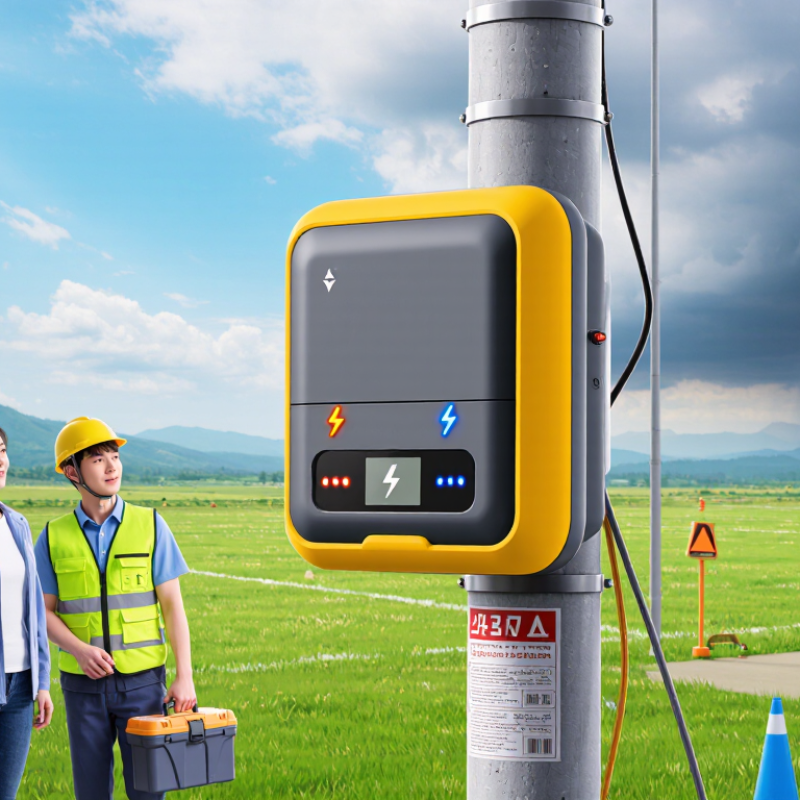
Table of Contents [Hide]
What Is a Lightning Alert Device? IEC 62793 Defines Core Functions
Why Choose a Lightning Alert Device for Global Safety?
A lightning alert device is not simply a loud alarm. IEC 62793:2016 defines core functions for thunderstorm warning systems. These functions include detecting lightning activity, processing threat information, and delivering timely warnings. The device may use electric-field changes, lightning signals, or connected detection networks. Its purpose is practical: create time for people to leave exposed areas.
That time matters. The World Meteorological Organization reported in 2023 that only 52% of countries had multi-hazard early warning systems. Lightning remains difficult because storms can intensify quickly. The U.S. National Weather Service records millions of lightning strikes annually and reports around 20 fatalities in recent years. Construction sites, sports grounds, farms, and outdoor events need more than weather awareness. They need a clear signal near the people at risk.
A reliable system should show detection range, warning logic, alert delay, and operating limits. IEC 62793 helps buyers ask those questions. It does not make every device equally accurate. That distinction matters. A sensor can miss activity, especially with poor placement or severe interference. Regular testing is essential. Human judgment still matters, too. A warning should trigger evacuation procedures, not replace them. Used with trained staff and local forecasts, the device becomes a stronger safety layer. Not perfect, but measurable.