-
PRODUCTS & SERVICESOptimized cooling solutions for modern data centersProducts & ServicesOptimized cooling solutions for modern data centers
-
CAPABILITIESAdvancing liquid cooling technologiesCapabilitiesAdvancing liquid cooling technologies
-
TechnologiesLiquid Cooling InnovationTechnologiesLiquid Cooling Innovation
-
RESOURCESLatest News & InformationResourcesLatest News & Information
-
ABOUTOur history, leadership and ownershipAboutOur history, leadership and ownership
-
CONTACTFacility locations and global operational footprint







Why Choose a Roll Coating Machine for Your Business?
Choosing a Roll Coating Machine can affect product consistency, material use, and daily production flow. The right system applies coatings evenly across sheet or web materials, from paper and film to metal or wood panels. A smooth finish matters. So does a stable coating weight. Small variations can lead to visible streaks, uneven drying, or costly rework.
The best choice depends on the material, coating, and production target. Consider working width, line speed, viscosity range, and the thickness you need to apply. Ask how quickly operators can adjust the rollers and clean the machine between runs. These details shape real production, not just the equipment brochure. A coating line that performs well on one substrate may need adjustment for another. Test trials can reveal that early.
There is no single machine that suits every business. A lower purchase price may look attractive, but maintenance access, spare-part availability, and operator training also affect long-term costs. Be candid about your current limits. If your team has little coating experience, a complex system may create problems before it improves output. Review sample results, service support, and safety features with qualified suppliers. Then compare options against measurable production needs. A careful decision takes time. Sometimes the first choice needs a rethink. That is better than discovering a mismatch after installation.
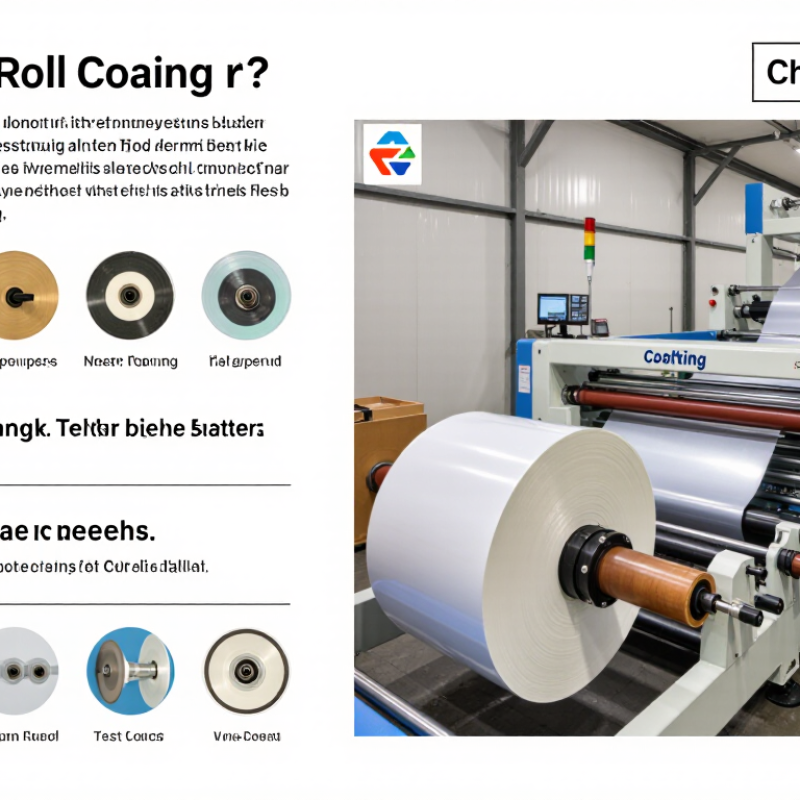
Table of Contents [Hide]
What a Roll Coating Machine Is and How It Works
A roll coating machine transfers a controlled layer of liquid onto a moving material, such as paper, film, foil, or fabric. Its main parts typically include a coating roll, a supporting roll, and a way to feed and guide the material. Some machines also include a drying section. The exact layout depends on the coating and substrate.
Here’s the basic process. The material travels between rollers while one roller carries the coating liquid. A measured gap, roller speed, or metering roll helps control how much liquid reaches the surface. The coated web then moves onward, often through an oven or other drying system. Small changes matter. Coating thickness can shift with liquid viscosity, line speed, roller pressure, and web tension. Operators check the surface for streaks, bare spots, or uneven edges and adjust the settings.
In practice, the first setup is rarely perfect. A sample run can reveal problems that settings alone do not predict, especially when a material stretches or absorbs liquid differently than expected. That detail is easy to overlook. Careful trials, stable material feeding, and routine roller checks help produce a more consistent finish.