-
PRODUCTS & SERVICESOptimized cooling solutions for modern data centersProducts & ServicesOptimized cooling solutions for modern data centers
-
CAPABILITIESAdvancing liquid cooling technologiesCapabilitiesAdvancing liquid cooling technologies
-
TechnologiesLiquid Cooling InnovationTechnologiesLiquid Cooling Innovation
-
RESOURCESLatest News & InformationResourcesLatest News & Information
-
ABOUTOur history, leadership and ownershipAboutOur history, leadership and ownership
-
CONTACTFacility locations and global operational footprint







Why Choose Aluminum Profile for Pergola?
Why Choose Aluminum Profile for Pergola?
Choosing the right pergola material affects comfort, maintenance, appearance, and long-term value. Aluminum Profile For Pergola systems offer a practical balance between structural strength and refined design. Their lightweight frames are easier to handle during installation than many steel alternatives. Yet, properly engineered aluminum can support roof slats, louvers, screens, and integrated lighting.
A pergola beside a swimming pool faces constant moisture, sunlight, and cleaning chemicals. Powder-coated aluminum helps resist corrosion and maintains a consistent surface finish in demanding outdoor conditions. It does not require regular painting, sealing, or complicated seasonal treatment. That saves time for homeowners and reduces routine maintenance costs. Small details matter. Smooth profiles can conceal wiring, while accurate connections create cleaner lines and fewer visible fasteners.
Professional selection still matters. Not every alloy, coating, or profile thickness suits every climate. Coastal air, strong winds, heavy rain, and snow loads require proper evaluation by qualified suppliers or engineers. Installation quality also influences drainage, anchoring, and overall stability. Aluminum is not automatically perfect. Poorly designed sections may bend, loosen, or perform badly under extreme weather. That is an important limitation to consider.
This guide examines Aluminum Pergola Profiles through practical experience and technical reasoning. It explores durability, thermal behavior, design flexibility, installation requirements, and lifecycle value. Product specifications should be verified carefully. Local building requirements may also apply. A well-chosen system can create a shaded outdoor room that feels solid, quiet, and visually integrated with the home. That is the real goal.
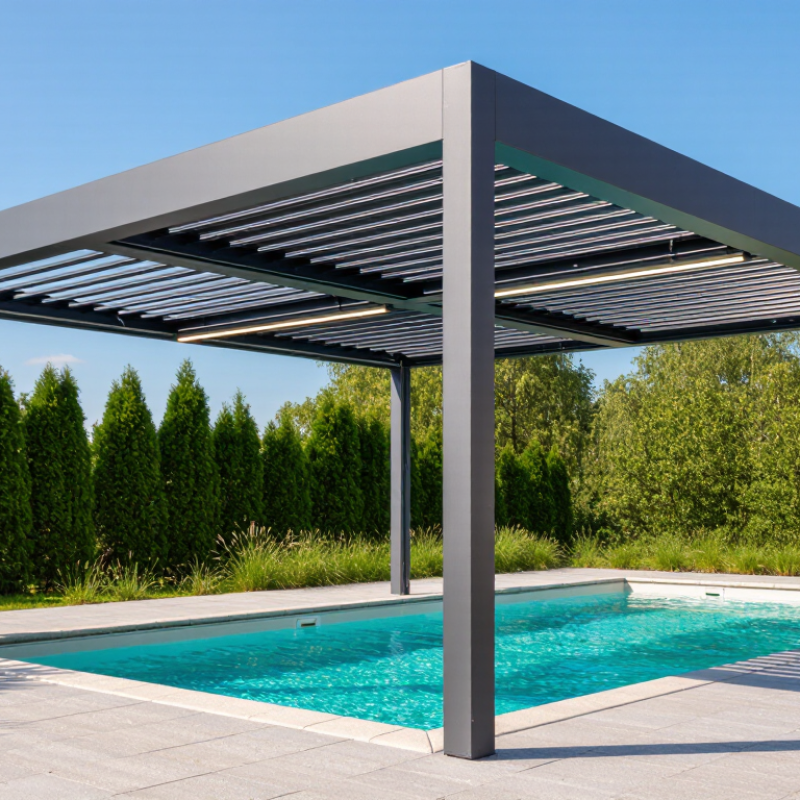
Table of Contents [Hide]
What Is an Aluminum Profile Pergola?
What Is an Aluminum Profile Pergola?
An aluminum profile pergola is an outdoor structure built from engineered aluminum sections. These hollow or shaped profiles form the posts, beams, and roof frame. Unlike timber, aluminum does not rot, attract termites, or absorb water. Its light weight also makes handling easier during installation. A powder-coated surface can provide color stability and added protection against everyday weather.
In practical use, the frame creates a clean extension for patios, gardens, or balconies. It can support adjustable louvers, fixed panels, screens, or climbing plants, depending on the design. Proper drainage matters. Water trapped inside a profile may cause problems over time, even when the outer surface looks perfect. I have found that strong connections and accurate leveling often matter more than decorative details. Aluminum is durable, but it is not maintenance-free.
Tips: Check the profile thickness, joint design, and anchoring method before purchase. Ask for load information for wind, rain, and optional roof accessories. Inspect the coating for scratches during installation. Small marks can become visible later. Leave enough clearance for doors, furniture, and natural movement around the pergola. Local building requirements may also affect size, placement, and anchoring.