-
PRODUCTS & SERVICESOptimized cooling solutions for modern data centersProducts & ServicesOptimized cooling solutions for modern data centers
-
CAPABILITIESAdvancing liquid cooling technologiesCapabilitiesAdvancing liquid cooling technologies
-
TechnologiesLiquid Cooling InnovationTechnologiesLiquid Cooling Innovation
-
RESOURCESLatest News & InformationResourcesLatest News & Information
-
ABOUTOur history, leadership and ownershipAboutOur history, leadership and ownership
-
CONTACTFacility locations and global operational footprint




Why Choose Cold Storage Freezer Units for Your Business?
A business choosing Cold Storage Freezer Units is protecting more than products. It is managing temperature, inventory, energy use, and customer confidence every hour of the day. A freezer room should hold a steady set point through busy loading periods, not just look impressive on a specification sheet. Think of warm air slipping through a frequently opened door, frost building around an evaporator, or pallets blocking airflow. Small details like these can affect product quality and operating costs.
Food refrigeration researcher Dr. Judith Evans has studied how temperature management affects food quality. The following is a paraphrase of her research perspective, not a verbatim quotation: “Consistent temperature control is essential for preserving food quality throughout storage.” That principle helps explain why equipment selection needs careful attention. Capacity, insulation, door design, airflow, monitoring, and maintenance access all matter. A unit that is too small may struggle during peak demand. One that is poorly matched to the site may consume more energy than expected.
The right choice depends on the products, daily throughput, available floor space, and local operating conditions. Ask suppliers for performance data under realistic loading patterns, and check how alarms and service support work. Then compare the full operating picture, not only the purchase price. There is no perfect unit for every business. Even a strong design needs good maintenance and trained staff. This guide explores the practical reasons businesses invest in Cold Storage Freezer Units—and the questions worth asking before installation.
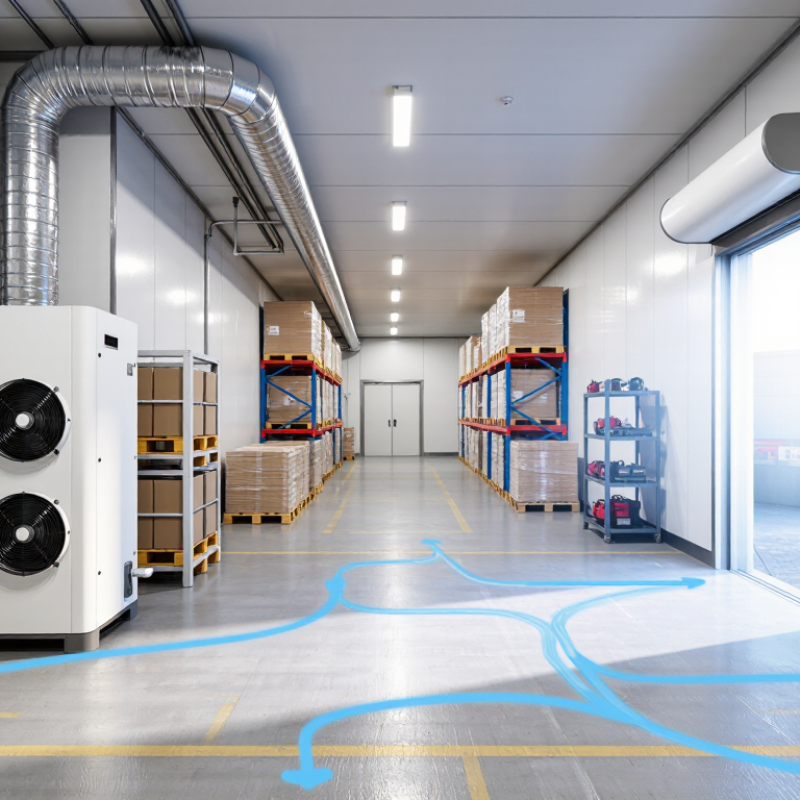
Table of Contents [Hide]
Understanding Cold Storage Freezer Units and How They Work
Understanding Cold Storage Freezer Units and How They Work
A cold storage freezer unit is an insulated room or cabinet designed to keep products below freezing. Its panels slow heat from entering, while a refrigeration system removes heat from inside. The evaporator coil absorbs heat from the air. A compressor then moves refrigerant through the system, and the condenser releases that heat outside. The cycle repeats. It sounds simple, but airflow and installation matter.
A thermostat or digital controller monitors temperature and switches cooling on when needed. Staff should avoid blocking the evaporator with boxes, since poor airflow can create warm spots. Door openings also let warm, moist air enter. You may see frost build up near the doorway. That is a useful warning, not just a cosmetic issue. Defrost settings, door seals, and regular temperature checks help maintain steady conditions. Exact operating temperatures depend on the products being stored.
Tips: Use a separate thermometer to verify the display. Keep a simple temperature log. Check seals for gaps, and leave space around stored goods. Small habits help. But readings can drift, so review them rather than assuming the unit is working perfectly.