-
PRODUCTS & SERVICESOptimized cooling solutions for modern data centersProducts & ServicesOptimized cooling solutions for modern data centers
-
CAPABILITIESAdvancing liquid cooling technologiesCapabilitiesAdvancing liquid cooling technologies
-
TechnologiesLiquid Cooling InnovationTechnologiesLiquid Cooling Innovation
-
RESOURCESLatest News & InformationResourcesLatest News & Information
-
ABOUTOur history, leadership and ownershipAboutOur history, leadership and ownership
-
CONTACTFacility locations and global operational footprint




Why Do You Need a Vacuum Air Flow Meter?
Why does a vacuum system lose performance when the pump still sounds normal? In many cases, the answer begins with airflow, not pump noise. A Vacuum Air Flow Meter measures the volume and movement of air through a vacuum line. This information helps technicians identify restrictions, leaks, overloaded filters, and unstable process conditions.
In a workshop, a technician may connect the meter near the pump inlet and record the airflow under a known vacuum level. The display can reveal a sharp drop when a hose bends, a filter clogs, or a valve fails to open fully. Small leaks matter. Even a loose fitting can extend evacuation time and reduce production consistency. These measurements support decisions based on evidence rather than guesswork.
Reliable results depend on proper installation, calibration, and operating conditions. Experienced technicians compare readings with manufacturer specifications and previous maintenance records. They also check temperature, pressure, hose diameter, and flow direction before judging the equipment. A Vacuum Air Flow Meter is not a complete diagnostic solution. It cannot explain every fault by itself, and readings may vary between instruments. That limitation deserves attention. Still, when used with sound procedures, it provides a practical way to verify vacuum performance, protect equipment, and reduce unnecessary downtime. Its value becomes clearest when a small measurement prevents a much larger repair.
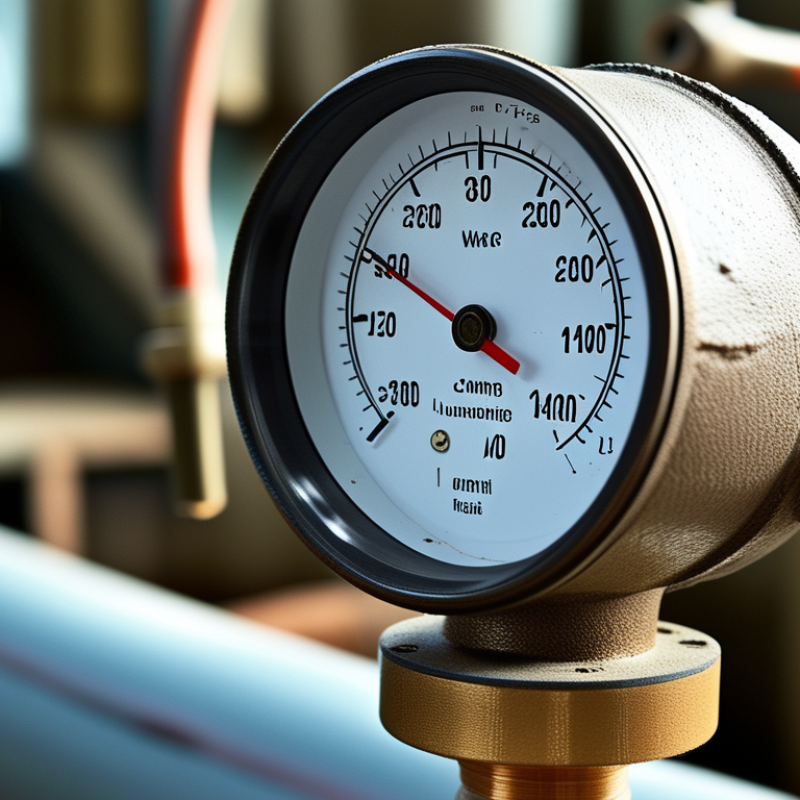
Table of Contents [Hide]
What Is a Vacuum Air Flow Meter?
A vacuum air flow meter measures the volume of air moving through a system under negative pressure.
Unlike a standard airflow meter, it works when pressure inside the pipe falls below surrounding atmospheric pressure. The device may use a calibrated sensing element, pressure difference, or thermal measurement to estimate airflow. Its display commonly shows cubic meters per hour, liters per second, or another selected unit.
The measurement helps technicians check suction performance, leakage, and filter condition.
For example, a weak reading may reveal a blocked hose, a loose connection, or a damaged seal. Placement matters. Turbulence near bends can distort the result, so a straight pipe section usually provides better data. In field testing, dust buildup on the sensing area can also create unstable readings.
Small details matter.
A vacuum air flow meter is not a magic diagnostic tool.
Temperature, moisture, pressure range, and gas composition can affect accuracy. I have seen readings look reasonable until they were compared with a calibrated reference meter. That comparison exposed a small but important error. Regular calibration and careful installation make the data more dependable.
Operators should also confirm the measurement unit before recording results. A correct number in the wrong unit can still lead to a poor maintenance decision.