Top 10 Cold Plate Cooling Manufacturers in China
Cold Plate Cooling is gaining importance as servers, power electronics, energy storage systems, and industrial equipment produce concentrated heat. A liquid-cooled plate can carry that heat away through internal channels, but performance depends on more than the plate itself. Channel design, material choice, coolant flow, sealing, and surface flatness all affect reliability. Details matter.
For a useful engineering lens, consider thermal-management researcher Dr. Yogendra Joshi, whose work focuses on heat transfer and cooling systems. A concise paraphrase of that perspective is: “Good cooling starts with understanding the heat path, not just selecting a component.” This is not a verbatim quotation. It reflects a practical point: buyers should compare test conditions and system requirements, not rely on headline cooling figures alone. Even a well-made plate can disappoint when its fittings, pump, or operating conditions are poorly matched.
This overview introduces 10 Cold Plate Cooling manufacturers in China and the factors that help distinguish them. It considers product range, engineering capability, customization, manufacturing consistency, and support for validation. Some suppliers may publish limited technical data, so independent checks remain worthwhile. Ask for pressure-drop curves, leak-test procedures, material specifications, and results under realistic flow and heat loads. Fit matters. A careful comparison can narrow the field, but no list replaces application-specific testing.
How Cold Plate Cooling Works and Where It Is Used
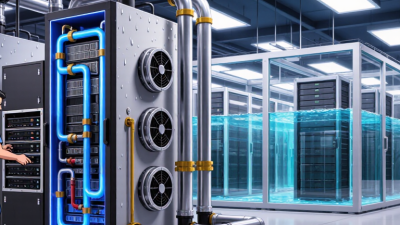
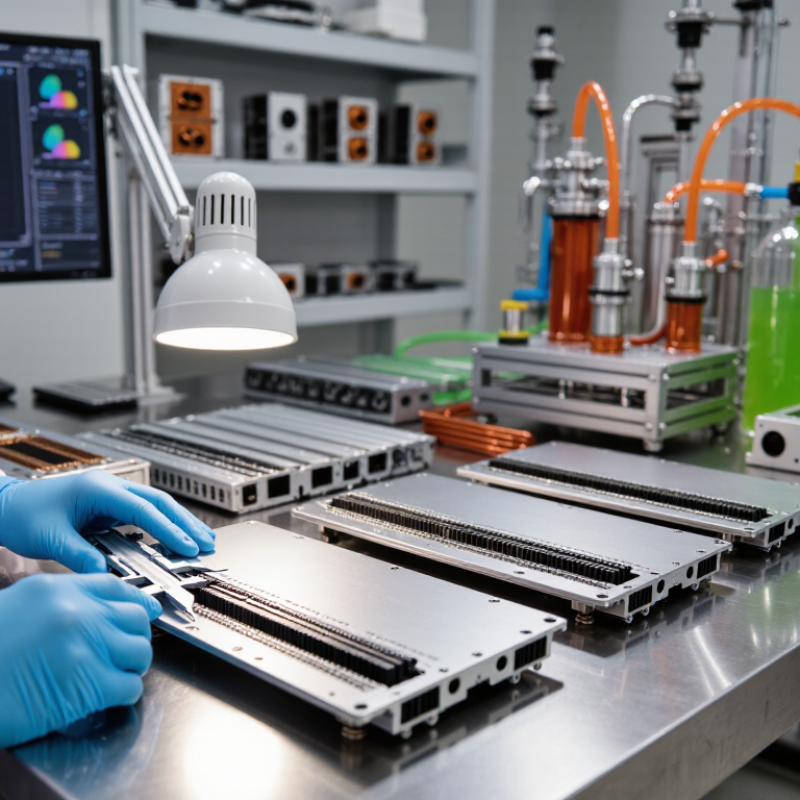
Cold plate cooling moves heat through a metal plate attached to a processor or power component. Coolant flows through narrow internal channels, collecting heat before a pump sends it to a heat exchanger. The heat then transfers to a facility water loop or another cooling system. The component stays dry; only the sealed cooling circuit carries liquid. That matters.
Cold plates are common in high-performance computing and AI servers, where CPUs and GPUs can produce concentrated heat. They also serve telecom equipment and industrial power electronics. A 2024 Lawrence Berkeley National Laboratory report estimated U.S. data centers used 176 terawatt-hours of electricity in 2023, about 4.4% of national use. That figure describes total data-center demand, not cooling alone, but it helps explain interest in more efficient heat removal. Cold plates can support higher rack power, though results depend on system design, coolant temperature, and facility infrastructure. They are not a universal fix.
Tips: Match plate capacity to the component’s heat load. Check flow rate, pressure drop, seals, and service access. Keep it simple. A small leak can still disrupt operations, so monitoring and maintenance matter.
Criteria for Evaluating Cold Plate Manufacturers in China
Top 10 Cold Plate Cooling Manufacturers in China
Criteria for Evaluating Cold Plate Manufacturers in China
A reliable evaluation begins with measured thermal performance, not a headline specification. Ask for test data showing coolant type, inlet temperature, flow rate, heat load, and pressure drop. Results without these conditions are difficult to compare. Small details matter. A plate that performs well in a laboratory may behave differently in a compact system with uneven heat distribution.
Examine how the manufacturer controls material selection, machining, and joining. Request information about channel dimensions, base-plate flatness, surface finish, and leak-test methods. Ask for inspection records from actual production runs, not only a sample report. Ask for evidence. Clear drawings and traceable material documentation also help engineers review fit and service requirements. One useful question: how are design changes approved and recorded?
Production capability matters alongside engineering quality. Check whether the supplier can maintain consistent tolerances across repeat orders and explain its quality checks in plain terms. Review sample lead times, capacity planning, and communication during design revisions. A factory may have impressive equipment, yet unclear documentation remains a concern. That is easy to overlook. No checklist removes every risk, so request a prototype and verify it under your own operating conditions before committing to larger quantities.
Profiles of Ten Chinese Cold Plate Cooling Manufacturers
Profiles of Ten Chinese Cold Plate Cooling Manufacturers
These profiles compare ten Chinese manufacturers through practical engineering signals, not marketing claims. Key differences include plate material, channel design, joining method, and leak-testing procedure. A copper plate with milled channels may suit one thermal load, while a brazed aluminum assembly may reduce weight. Details matter. Buyers should also check inlet and outlet placement, pressure-drop data, and whether samples were tested under realistic coolant temperatures.
The Lawrence Berkeley National Laboratory’s 2024 United States Data Center Energy Usage Report estimates that data centers used 176 terawatt-hours of electricity in 2023. It projects 325 to 580 terawatt-hours by 2028. This is not a cold-plate market forecast, but it shows why heat removal efficiency is under scrutiny.
The ten profiles therefore consider manufacturing controls alongside design capability: flatness, channel consistency, pressure testing, and documented thermal results.
Public evidence varies between suppliers. A polished specification sheet does not prove uniform flow distribution; I would want test conditions and repeatability data before trusting a headline performance figure. Some factory details remain difficult to verify independently, so comparisons should be treated as directional, not definitive. A useful profile connects material choices and production methods to a specific cooling requirement.
Comparing Materials, Manufacturing Capabilities, and Thermal Performance
Cold plate manufacturers differ most in material selection and how consistently they can build internal channels. Copper offers high thermal conductivity, but its weight and cost can complicate larger assemblies. Aluminum is lighter and often easier to machine, though its performance depends on channel geometry and coolant flow. Stainless steel can suit demanding fluid conditions, but it transfers heat less readily than copper or aluminum. There is no universal winner. The right choice depends on heat load, available space, fluid compatibility, and pressure limits.
Manufacturing capability matters as much as the metal itself. CNC machining supports precise passages and flat mounting surfaces; vacuum brazing or friction-stir welding can join complex plates, but each process needs reliable inspection. Ask how a supplier checks for leaks, channel consistency, and surface flatness. Small details matter. A plate with narrow passages may improve heat transfer while increasing pressure drop or clogging risk. Thermal data should therefore include test conditions, such as coolant temperature, flow rate, and heat input. Otherwise, comparisons can mislead. A datasheet may look convincing, yet real performance can shift when the plate meets a different pump, interface material, or uneven component load. Those variables deserve discussion before production.
How to Choose a Manufacturer for Your Cooling Requirements
Choosing a cold plate manufacturer starts with your actual heat load, not a catalogue’s best-case thermal figure. Share the coolant, inlet temperature, flow rate, pressure limit, and component footprint. Ask for pressure-drop and thermal-resistance data under matching test conditions. A copper plate may conduct heat well, but coolant chemistry and internal-channel design also affect corrosion risk and service life. Request drawings, material specifications, and documented leak and pressure tests.
The need for careful selection is growing. The U.S. Department of Energy’s 2024 report, prepared by Lawrence Berkeley National Laboratory, estimates that U.S. data centers used 176 terawatt-hours of electricity in 2023. It projects 325–580 terawatt-hours by 2028. These figures do not predict cold-plate demand directly, but they underline why cooling efficiency and dependable operation matter. Compare manufacturers using your operating conditions, not isolated figures. A low quoted thermal resistance can be misleading if the test setup differs from yours.
Tips: Request a sample plate and inspect its surface finish, port alignment, and channel cleanliness. Ask how each production batch is checked, and whether the supplier can provide traceable test records. Confirm lead time and replacement support, too. Specifications are useful. Real test data is better.