-
PRODUCTS & SERVICESOptimized cooling solutions for modern data centersProducts & ServicesOptimized cooling solutions for modern data centers
-
CAPABILITIESAdvancing liquid cooling technologiesCapabilitiesAdvancing liquid cooling technologies
-
TechnologiesLiquid Cooling InnovationTechnologiesLiquid Cooling Innovation
-
RESOURCESLatest News & InformationResourcesLatest News & Information
-
ABOUTOur history, leadership and ownershipAboutOur history, leadership and ownership
-
CONTACTFacility locations and global operational footprint


10 Essential Tips for Optimizing AI Infrastructure Cooling
As AI technologies continue to evolve, the importance of effective cooling solutions for AI infrastructure cannot be overstated. Dr. Alice Chen, a leading expert in thermal management systems, emphasizes, "Proper cooling in AI infrastructure is crucial for performance and longevity." The challenge lies in balancing energy efficiency and cooling effectiveness to prevent overheating in high-density computing environments.
AI infrastructure cooling focuses on maintaining optimal temperatures for servers and equipment. The slightest increase in temperature can lead to significant performance degradation. Companies face constant pressure to innovate while ensuring their systems run smoothly. Achieving this balance requires a deep understanding of the latest cooling technologies, such as liquid cooling and advanced airflow designs.
Investing in robust cooling systems is not just about energy savings. It's about reliability and performance. Failure to address cooling needs can result in costly downtime. Organizations must reevaluate their current strategies and adapt to the unique demands presented by powerful AI workloads. As the industry progresses, awareness of effective AI infrastructure cooling will be paramount in achieving technological advancements sustainably.
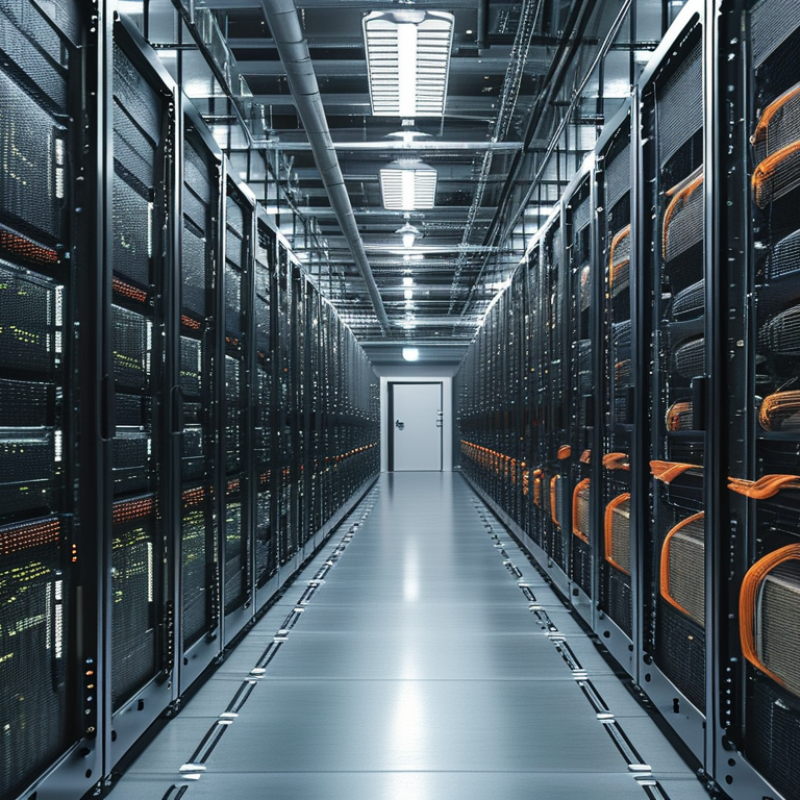
Table of Contents
[Hide]
Understanding the Importance of Cooling in AI Infrastructure
Effective cooling is crucial in AI infrastructure. High-performance servers generate significant heat. Inefficient cooling can lead to hardware failures and increased operational costs. Therefore, understanding cooling mechanisms can enhance system reliability and performance.
One key aspect is airflow management. Proper airflow helps maintain consistent temperatures. Consider using hot aisle and cold aisle configurations. Another tip is to utilize liquid cooling solutions. They can be more efficient than traditional air cooling methods. Regular monitoring of system temperatures is essential. Be proactive to address any overheating issues.
Transform your cooling setup with innovative strategies. Explore passive cooling methods, such as heat sinks and thermal pads. They can complement active systems. Remember, optimal cooling is a continuous effort. Routine assessment and adaptation are vital for maintaining ideal conditions.
Related Posts
-
China Top 10 Server Cooling Solutions for Optimal Performance?
-
Top 10 Benefits of Direct Liquid Cooling in Data Centers?
-
Top Server Cooling Solutions for Optimal Performance and Efficiency?
-
How to Optimize Data Center Thermal Management for Improved Efficiency?
-
2026 Top Trends in Data Center Thermal Management Solutions?
-
2026 Top Trends in AI Data Center Cooling Solutions and Innovations?